Millions of Americans Have Sleep Apnea: How Can Virtual Care Help? | WellCare 360
You wake up exhausted after a full eight hours of sleep. Your partner mentions the snoring. You fight through brain fog all morning, wondering why rest never feels restful. For millions of Americans, these are not just bad nights. They are signs of an underlying medical condition that quietly goes undetected for years.
Sleep apnea is one of the most common yet under diagnosed sleep disorders in the country. A 2025 systematic review published in Respiratory Medicine estimated that approximately 83.7 million U.S. adults, roughly a third of the adult population, have obstructive sleep apnea. Despite that staggering number, obstructive sleep apnea remains largely undiagnosed, leaving many people without the care they need. (Source: Respiratory Medicine)
That gap is exactly what platforms like WellCare 360 are working to close, by making it easier for people to recognize their symptoms and take action from home.
What Is Sleep Apnea and Why Does It Go Unnoticed?
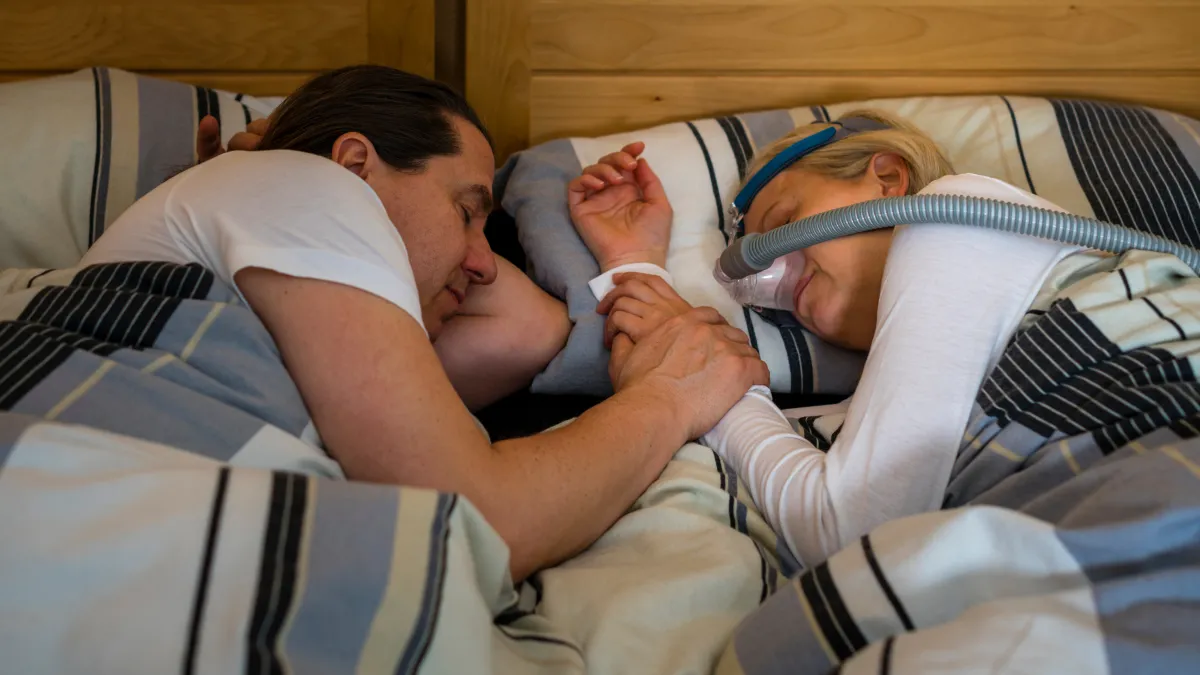
Sleep apnea is a chronic condition in which a person's breathing repeatedly stops and starts during sleep. The most common form, obstructive sleep apnea (OSA), occurs when the throat muscles relax and block the airway, sometimes hundreds of times in a single night. Each time this happens, the brain briefly rouses the body to restore breathing, a cycle that continuously fragments sleep without the person ever fully waking up or remembering it. (Source: Cleveland Clinic)
The condition often goes undetected because its most telling symptoms happen while a person is asleep. Unless a bed partner notices the irregular breathing or loud snoring, OSA can quietly persist for years. Many people simply chalk up their fatigue and poor concentration to work stress or a demanding schedule, never connecting those experiences back to their sleep.
Warning Signs That Deserve Attention
Even though sleep apnea is a nighttime condition, it leaves clear clues throughout the day. Persistent morning headaches, waking with a dry or sore throat, difficulty concentrating, irritability, and feeling unrested after a full night of sleep are all signs worth discussing with a provider. Loud, disruptive snoring interrupted by gasping or choking sounds is one of the most recognizable red flags, especially when a partner observes pauses in breathing. (Source: Johns Hopkins Medicine)
Beyond the bedroom, untreated OSA can affect memory, mood, and workplace performance. People with unmanaged sleep apnea are significantly more likely to experience daytime drowsiness that impairs both concentration and reaction time. If any of these patterns feel familiar, a conversation with a licensed healthcare provider is the right next step, and that process is now far more accessible than most people expect.
The Health Risks of Leaving It Untreated
Sleep apnea is not simply a sleep quality issue. Left unmanaged, it becomes a serious health risk. The repeated drops in oxygen that occur during apnea episodes strain the cardiovascular system, raising the risk of high blood pressure, heart disease, stroke, Type 2 diabetes, and metabolic syndrome over time. A scientific statement from the American Heart Association confirmed that OSA is directly associated with these cardiovascular and metabolic complications, and that proper treatment can meaningfully improve patient outcomes. (Source: American Heart Association)
The economic burden reflects just how widespread and under addressed this condition is. According to a Frost & Sullivan economic analysis commissioned by the AASM, approximately 23.5 million undiagnosed cases of OSA in the U.S. generated an estimated $149.6 billion in annual costs as of 2015, spanning lost productivity, motor vehicle accidents, workplace incidents, and related healthcare expenses. That same analysis found that roughly 80 percent of the estimated 29.4 million Americans with OSA at the time remained undiagnosed. While more recent prevalence research suggests the condition may affect an even larger share of adults today, the exact current U.S. diagnosis gap varies by study and should be interpreted cautiously. (Source: American Academy of Sleep Medicine)
These figures make clear why early screening and consistent treatment matter so much, both for individuals and for public health as a whole.
How Virtual Care Is Changing the Path to Treatment
In the past, many patients needed an overnight sleep lab study to evaluate suspected sleep apnea, though home sleep apnea testing is now an established option for some uncomplicated adults with signs and symptoms that suggest a higher risk of moderate to severe obstructive sleep apnea. Today, telehealth is improving how many people access initial care and follow-up support. Research published in a 2025 review in Frontiers in Sleep found that telemedicine-based approaches to OSA management show strong potential to reduce wait times, lower costs, and support ongoing treatment through remote monitoring and digital follow-ups, particularly for patients in underserved or remote areas. (Source: Frontiers in Sleep)
This is precisely where WellCare 360 steps in. Through its 24/7 virtual urgent care services, members can speak with licensed providers from home, discuss their symptoms, and receive guidance on appropriate next steps, including whether they may need further sleep evaluation, testing, or follow-up care, without the friction of a traditional clinic visit. With transparent, affordable pricing and no hidden fees, WellCare 360 helps remove the financial and logistical barriers that often delay care.
Your Health Is Worth Prioritizing
Sleep apnea is treatable, but only once it is recognized. If you have been living with unexplained fatigue, disrupted sleep, or any of the warning signs above, getting an evaluation sooner rather than later can make a meaningful difference to your long-term health.
WellCare 360 makes that first step straightforward. Book a free consultation today and speak with a licensed provider who can help you understand your symptoms and determine whether a sleep evaluation is right for you. For more health insights, explore the WellCare 360 Blog, including resources like Mental Health Emergency: When to Call 911, Go to the ER, or Get Teletherapy. Reliable, accessible care is available to you right now.
Start feeling supported with WellCare 360.
This article is for informational purposes only and does not constitute medical advice. Please consult a licensed healthcare provider for diagnosis and treatment.
